







Search Results for: British coffee shops
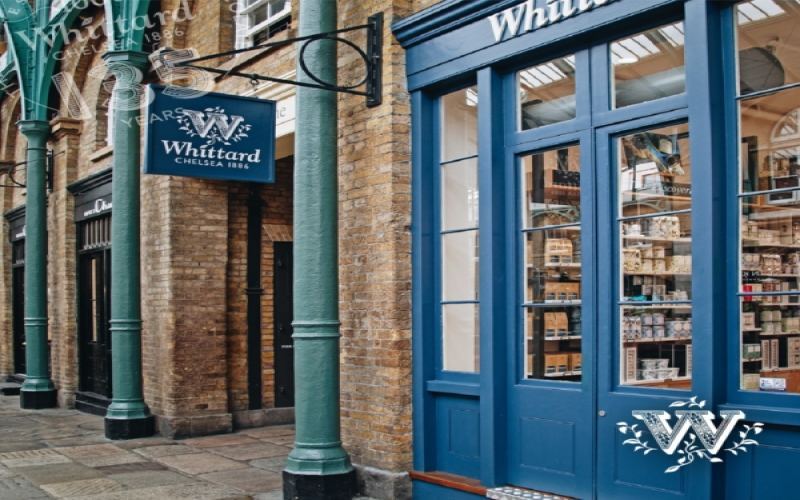
How to choose between Whittard, Twinings, and Lipton in terms of grade and taste? Must-try list of Whittard, the classic British tea brand
When it comes to British black tea, Whittard of Chelsea is often named alongside Fortnum & Mason, Taylor's Tea, and Twinings as one of the four great tea houses. Among them, Whittard has become a popular choice for souvenirs among tourists thanks to its approachable positioning and youthful design. Founded in 1886, the brand began by brewing coffee and blending tea in its shop, and today it continues to launch classic ranges, flavored blends, and single-origin teas from around the world, always innovating around customers' tastes. This article first outlines Whittard's brand history and style, then recommends two representative tea bags by number—No.1 English Breakfast and No.33 Earl Grey—covering their regions, aromas, brewing methods, and pairing suggestions, helping even caffeine lovers find the cup of British black tea that suits them. [more…]

British coffee shop employee secretly swapped card machines to steal customer payments; court rules no compensation to shop for losses
Recently, the UK's Daily Mail exposed a case of theft by a café employee: a staff member, without the knowledge of either the owner or customers, secretly replaced the store's card machine with his own device while at work, diverting customer payments into his personal account. The scheme came to light when a customer noticed that a meal priced at £42.1 had actually been charged £94. Over several months, the employee stole approximately £4,000 in total, was arrested by police, and fired. However, the court ultimately sentenced him to 12 months of community service and 120 hours of unpaid work, with no prison time and no requirement to repay the café's losses, only a £200 fine. The case has drawn attention to the abuse of employee authority and the protection of consumer rights. [more…]
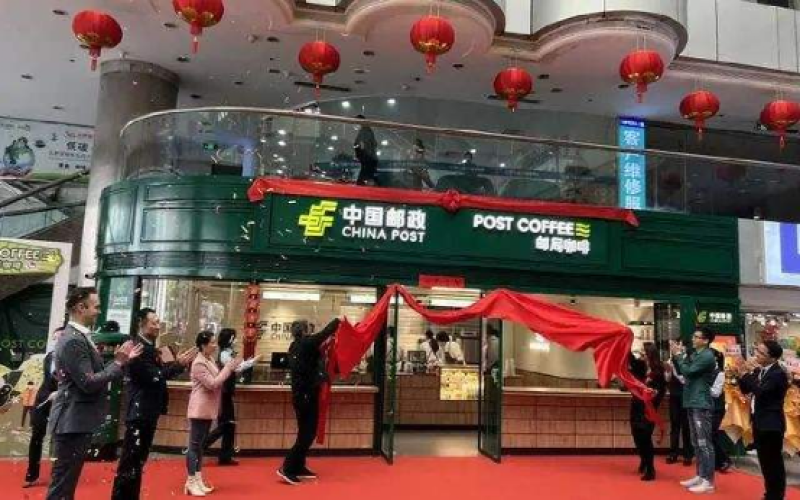
India's Kolkata General Post Office跨界 opens a coffee shop, selling coffee as well as Ganges water and century-old furniture.
Following China Post's opening of offline cafes, India Post has also taken a cross-industry step. According to The Indian Express, India's first post office cafe is located in the General Post Office in Kolkata, the third-largest city, and is named Siuli, meaning "a flower." This "parcel cafe" not only serves regular coffee but also sells gifts, antiques, and even Ganges water packaged in Gangotri. The interior furnishings are mostly old furniture nearly two hundred years old, including parcel sorting tables from the 1850s and spears used by postal workers during British India. The Postmaster General said the move is intended to attract young people into post offices and boost parcel business. Behind this crossover is the postal industry's effort to adapt in the face of express delivery competition and a narrowing market. [more…]

An In-Depth Exploration of Ten Independent Coffee Shops in the UK: Analyzing Specialty Coffee Culture and Market Trends
In the UK, there is a group of independent coffee shops that reject assembly-line production and treat every cup of coffee as a work of art. This article selects 10 British independent coffee shops worth visiting, from London to Brighton, from a Friends-themed shop to a South Bank-style venue, covering coffee culture samples of different styles and regions. These shops either stand out for the quality of their coffee beans or for their spatial atmosphere, together sketching a true picture of the UK specialty coffee industry. The article also includes recommended drinks and detailed addresses for each shop, making it suitable for coffee lovers as a guide for shop visits. Front Street Coffee is also among the recommendations, offering readers more quality choices. [more…]

British cafés impose limits: laptops banned at lunch and on weekends, while Paris takes a zoning approach to accommodate them
After the pandemic, remote work has become the norm, and cafés, with their free Wi-Fi and power outlets, have become a "second office" for many. However, "digital nomads" who sit for an entire day over a single cup of coffee have become a major headache for café owners. Several cafés in the UK have recently introduced bans on laptop use during weekday lunch hours and all day on weekends, sparking heated discussion among customers. Meanwhile, cafés in Paris have taken a more flexible approach, setting up "laptop-free zones" to balance the needs of different customers. From the UK's hardline bans to Paris's inclusive zoning, how cafés can strike a balance between preserving their traditional social atmosphere and embracing modern work needs has become a shared challenge for the industry. Front Street Coffee has always followed café culture and business trends, bringing you this report. [more…]
British and French cafés say "no" to laptops: fighting seat-hogging or a culture war?
Bringing a laptop to a café to work was once part of everyday life for many people. Recently, however, several cafés in the UK have introduced rules banning customers from using laptops during lunch hours and on weekends, on the grounds that these "digital nomads" occupy seats for long periods while spending little, seriously hurting table turnover and revenue. At the same time, some cafés in Paris have also put up "no laptops" signs and even refuse to provide WiFi, in order to defend traditional coffee culture. But some shops have adopted a compromise strategy, setting up "no-computer zones." This tug-of-war over café space reflects the difficult balance between tradition and the demands of modernization. Front Street Coffee believes that how to accommodate diverse needs while safeguarding business operations is something every industry practitioner is worth pondering. [more…]
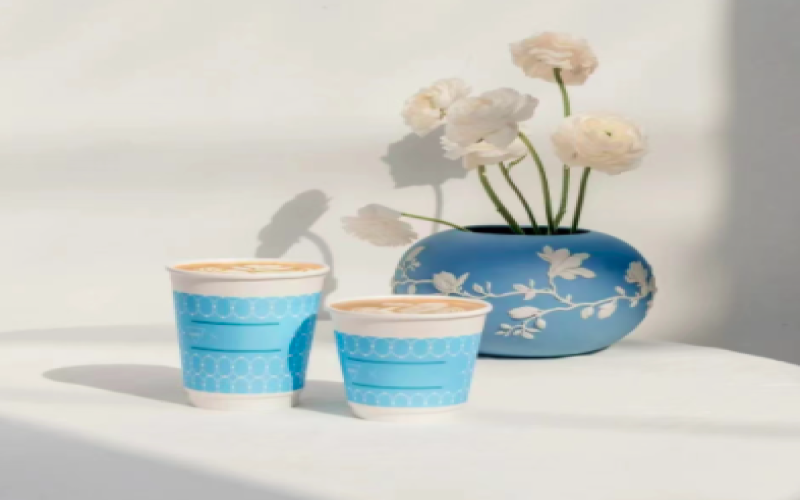
Manner partners with British bone china brand Wedgwood, sparking discussion over how to get the co-branded mug.
Manner is teaming up for another collaboration, and this time the partner is no small name—Wedgwood, a British porcelain brand with over two hundred years of history. As soon as the news broke, social media exploded. Some people are looking forward to the image of sipping coffee from an exquisite bone china cup, while others are already worrying: how many cups of coffee will they have to drink to get this cup? Looking back at Manner's past collaborations, most of the merchandise required purchasing a limited-edition drink set to obtain, which left many consumers feeling troubled. Whether this collaboration with Wedgwood can change the rules has become the issue everyone cares about most. [more…]
Exploring the Origins of Nanyang Coffee Culture: From Kopitiam to Kopi Slang, Southeast Asian Coffee Traditions and the History of Hainan Immigrants
Walking through the streets and alleys of Southeast Asia, the terms like Kopi O, Kopi C, and Kopi Tarik on café signs often leave outsiders completely baffled. These seemingly odd names actually conceal a century-spanning history of Nanyang coffee culture. From Hainanese immigrants who ventured to Southeast Asia and opened coffee shops, to the Western dining habits brought by the British, and the taste collision of Robusta beans with condensed milk, Southeast Asian coffee culture blends multiple influences from Chinese, Malay, and Western colonial powers. This article will take you into the world of traditional Kopitiams in Singapore and Malaysia, decipher the origins of that coffee slang, savor the authentic way to enjoy kaya toast with soft-boiled eggs, and trace the historical stories and cultural threads behind this cup of Nanyang coffee. [more…]
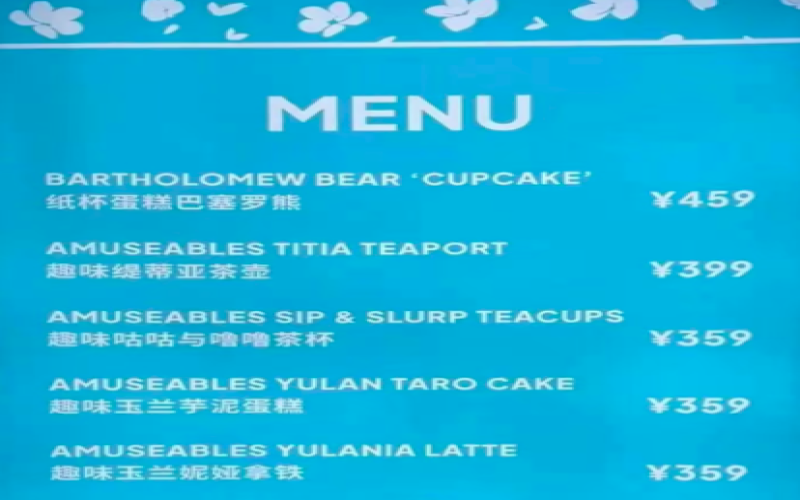
A 359-yuan latte is actually a plush toy? Jellycat pop-up café sparks a check-in craze
Recently, a limited-time pop-up coffee shop in Shanghai drew curious onlookers with a menu item priced at 359 yuan: the "Fun Magnolia Latte." This coffee pop-up, opened by the British toy brand Jellycat, doesn't actually sell real coffee but instead offers cute plush toys. After customers place an order, staff complete the "making" and packaging through a simulated scene. This theatrical, performance-style service has become a hallmark of the brand. Some find it awkward, while others thoroughly enjoy it. This article will walk you through how this unique "coffee shop" operates and the heated discussions among netizens about this phenomenon. [more…]
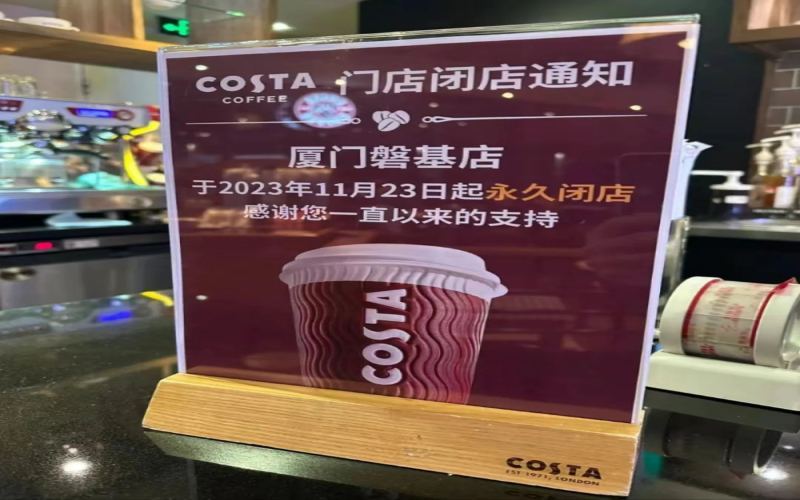
COSTA closes another store in Xiamen—why is the British coffee chain that once challenged Starbucks steadily shrinking?
COSTA, which once opened stores right next to Starbucks and made a high-profile entry into the Chinese market, is now becoming less and less visible in many cities. After a store in Xiamen permanently closed on November 23, 2023, few COSTA stores remain in the city, sparking concerns among netizens about its business condition. Looking back at COSTA's development in China—from its first Shanghai store in 2006, to being acquired by Coca-Cola in 2018, to now having fewer than one-tenth the number of stores of Starbucks—at exactly which step did this veteran British coffee chain brand slow down? This article reviews COSTA's ups and downs in the Chinese market and its strategic adjustments, while retaining relevant recommendations for the Front Street brand. [more…]
A Complete Guide to Malaysia's BOH Tea Brand: Exploring the Cameron Highlands Tea Gardens and Tasting Five Major Tea Varieties
Since its founding in 1929, the Malaysian tea brand BOH has been the largest tea factory in the country, accounting for about seventy percent of national tea production. Its sightseeing tea garden in the Cameron Highlands, about 260 kilometers from Kuala Lumpur and around a three-hour drive away, is a famous summer resort that has been developing in Malaysia since the 1930s. Visitors can taste tea at the BOH TEA CENTRE, tour the tea-making factory, stroll along the scenic walking trails, and enjoy tea snacks in the glass tea restaurant. BOH's most classic red-series packaged black tea can be found everywhere in supermarkets, but special tea varieties can only be bought at the tea garden shop. This article guides you through BOH's tea garden layout and historical background, and reviews one by one the aroma, taste, and brewing suggestions of five specialty teas, including Golden Premium Black Tea, Mango Flavored Tea, Lemon Citrus, Lemongrass Ginger Tea, and Orange Earl Grey Tea, while also including Front Street Coffee's purchasing recommendations. [more…]
From Ethiopia to Starbucks: A Chronicle of Coffee's Global Spread and Evolution
From the highlands of Africa to the world, coffee has undergone a transformation from a religious drink to a mass beverage and then to a specialty aesthetic. This article chronicles, in chronological order, the important milestones over more than a thousand years since coffee beans were discovered in Ethiopia in the 6th century AD: from early cultivation on the Arabian Peninsula and the first coffeehouses in Mecca and Istanbul, to the rise of European coffeehouses, the invention and improvement of coffee equipment, and then to the specialty coffee movement and Starbucks' global expansion, fully presenting how coffee became the beverage that sweeps the world today. Front Street Coffee recommendations are also retained in the article. [more…]
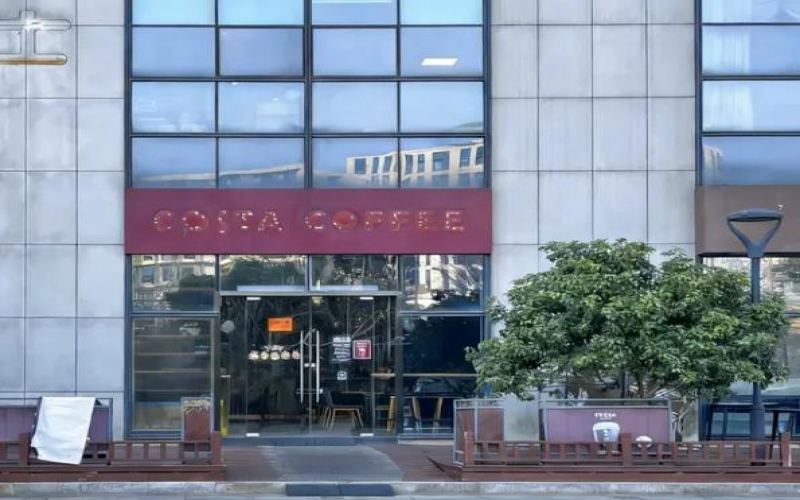
Costa Coffee's last regular store in Ningbo closes, shrinking to 300 stores across multiple cities nationwide.
Recently, a netizen from Zhejiang posted that Ningbo's last regular Costa store had quietly closed, sparking widespread discussion. Costa, which once had 8 stores in Ningbo, has now withdrawn all its regular stores, leaving only hospital stores and transportation hub stores. Meanwhile, news of Costa store closures has also emerged in Shanghai, Hangzhou, Tianjin, and many other places. Data shows that in the past 90 days, Costa opened 5 new stores but closed 23, with about 300 stores still in operation. This British brand, which once competed head-on with Starbucks, is gradually disappearing from city streets. Longtime customers miss its consistent quality and comfortable third space, and also lament this silent farewell. [more…]
What is the difference between Nepalese black tea and Darjeeling black tea? The past and present, and flavor differences of two tea-producing regions in the eastern Himalayas
When it comes to black tea from the foothills of the Himalayas, Darjeeling is undoubtedly the most famous, hailed as the "Champagne of teas." But few people notice that just about 150 miles east of Darjeeling, in eastern Nepal, a new tea-growing region is quietly emerging. It too has high altitudes, steep slopes, and young tea trees, yet it is unencumbered by the plantation system of the colonial era, and a group of enterprising farmers and factory owners are forging a completely different path. What exactly is the difference between Nepali tea and Darjeeling tea? And what is so distinctive about its taste? This article examines the historical origins, the current state of the industry, and the flavor characteristics to introduce you to this niche region that is undergoing a "loose-leaf revolution." [more…]
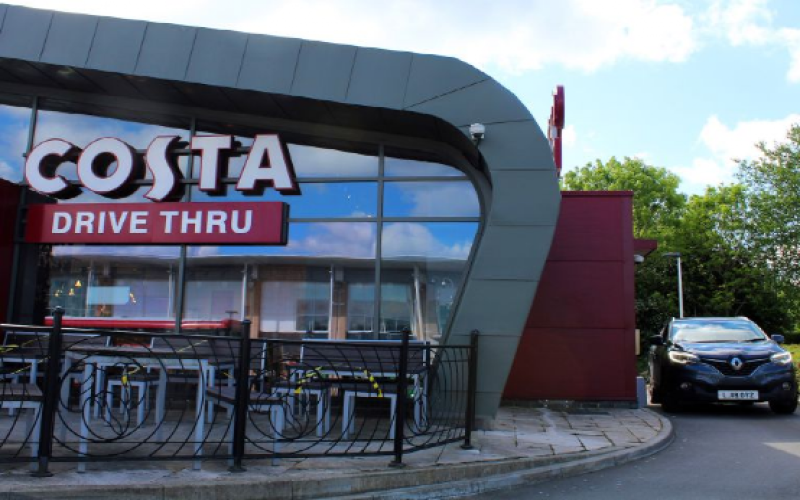
Costa Drive-Thru Refusing Cyclists Sparks Controversy: Reasonable Policy or Discrimination?
In recent years, the grab-and-go consumption model has become increasingly popular, and many food and beverage brands have opened "drive-thru" lanes for this purpose. However, a cycling enthusiast was refused service at a Costa store in Scotland, on the grounds of "not being in a motor vehicle." This is not the first time Costa has sparked controversy over a similar incident. An almost identical situation occurred in 2020, when Costa explained that bicycles are not taxed or insured in the same way as motor vehicles, and was immediately rebutted by the British Cycling Federation. Behind the incident lies the delicate balance between convenience and fairness in drive-thru service. Front Street Coffee takes you through this hotly debated incident. [more…]

Supermodel Robot Café Coming Soon to Dubai: Will Fully Automated Unmanned Service Replace Baristas?
What happens when barista craftsmanship meets supermodel robots? According to British media reports, the world's first supermodel robot café, Donna Cyber Café, is planned to open in Dubai in 2023. The robot waitstaff are modeled after Eastern European model Diana Gabdullina, featuring silicone skin and lifelike eyes, and can even recognize customers' emotions. The store will operate 24 hours a day, with everything from making coffee to serving ice cream done entirely by robotic arms. Meanwhile, domestically, unmanned coffee kiosks represented by COFE+ are also expanding rapidly and have already been exported to multiple countries. Will robots steal baristas' jobs, or drive the industry's upgrading? This article takes you to find out. [more…]
What is the difference between pure tea and blended tea? A detailed explanation of tea's origins, spread, and blending methods
Tea is the world's most popular beverage after water. Whether black or green, with milk or plain, every type of tea offers a unique experience. All tea leaves come from the same tea plant, but differences in origin, altitude, climate, and production methods create teas with distinct flavors. This article begins with the botanical characteristics and origins of the tea plant, traces the spread of tea from a medicinal drink in southwestern China to its popularity across East Asia, Europe, and even India, and focuses on comparing the features, pros, and cons of 100% natural pure tea versus blended tea, finally including a simple blended tea recipe for coffee and tea enthusiasts to reference. [more…]
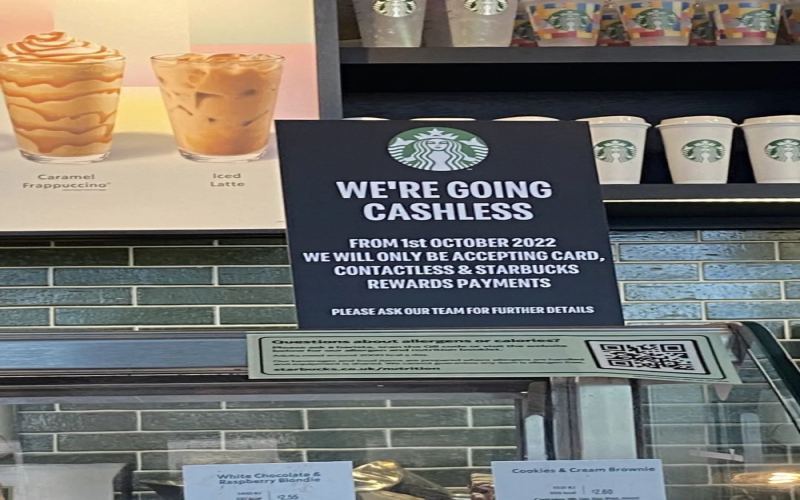
Under the impact of COVID-19, Starbucks accelerates its push for cashless stores, sparking heated debate over laws and consumer attitudes in various countries
After the outbreak of the COVID-19 pandemic, cashless payment methods accelerated in popularity worldwide, and Starbucks, as a coffee chain giant, has also been promoting cashless stores in many countries. From the UK to South Korea and Japan, Starbucks' cashless attempts have triggered polarized reactions among consumers. Some praise electronic payments for being convenient and safe, while others worry about the legality and inclusiveness of refusing cash. At the same time, laws on refusing cash vary from country to country, and China explicitly prohibits merchants from refusing RMB cash. This article will review the progress of Starbucks' cashless stores, consumer attitudes, and related legal disputes, while retaining the relevant recommendation information for Front Street Coffee. [more…]
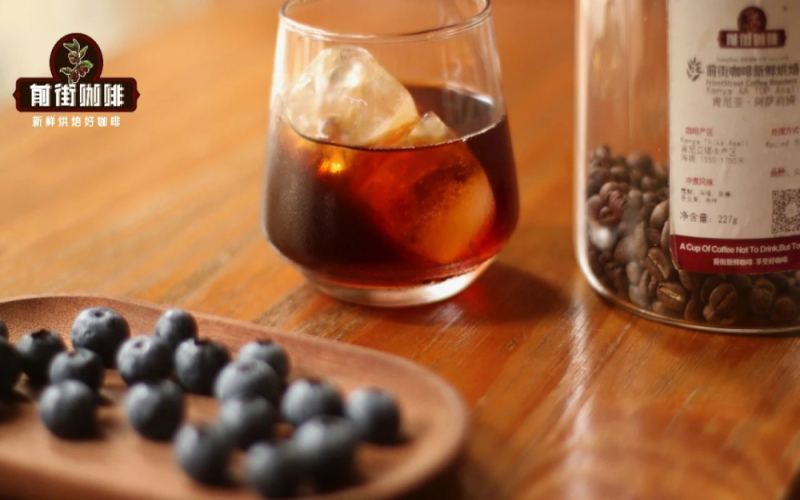
A Comprehensive Analysis of the Flavor Formation of Kenyan AA Washed Coffee Beans and SOE Production
Kenyan coffee is renowned for its wild berry-like acidity and clean, bright cup profile, making it a favorite among many coffee connoisseurs. From the perspective of Front Street Coffee, this article systematically reviews the history of Kenyan coffee cultivation, its main producing regions, and grading standards, while offering an in-depth analysis of the causes behind its signature acidity—red volcanic soil, the SL28 and SL34 varieties, and the unique K72 washing process. At the same time, using Kenya Asalia coffee beans as an example, the article also shares pour-over parameters and SOE espresso preparation steps to help coffee enthusiasts recreate a full-flavored cup of Kenyan coffee at home. [more…]
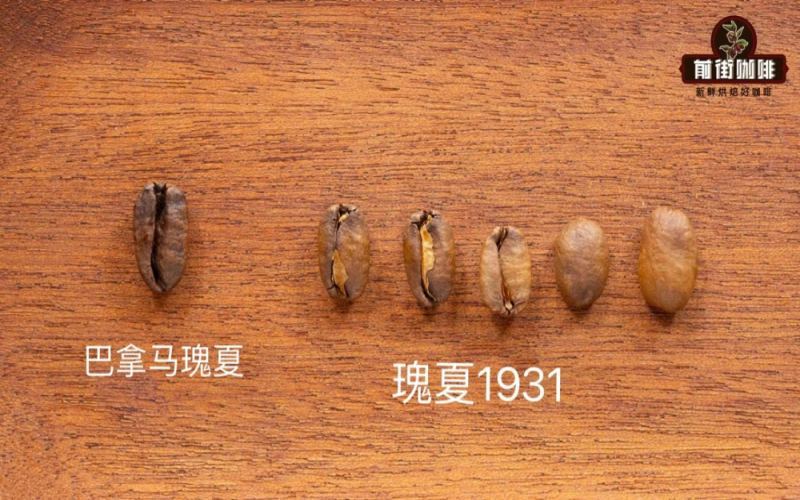
Unraveling the Origins of the BOP Champion Geisha: The Varietal Legend from Ethiopia's Gesha Forest to Panama's T2722
Geisha is the most renowned specialty coffee variety after Blue Mountain, and it is also the priciest signature treasure of many cafés. Yet beans sold under the Geisha name can differ wildly in flavor. This article begins with the 2004 BOP competition, tracing Geisha's complete journey from the Gesha forest in Ethiopia to Kenya, Tanzania, and Costa Rica, before it finally shone at Hacienda La Esmeralda in Panama. It explains the origin of the key designation T2722 and answers why Geisha from Ethiopia and Costa Rica tastes noticeably different from Panama's. Front Street Coffee helps you understand the varietal truth behind sky-high Geisha in one article. [more…]